

I love stationery. I have bought into the belief that almost any problem can be solved with a good list or fresh journal entry. It helps me to bring order to the chaos in my brain, stop ruminating or overthinking the same issue over and over, and helps calm the anxiety that I’m going to forget some crucial thing.
So, it was only natural that I was drawn to Ryder Carroll, A Notebook to Save Your Mind. His methodology changed my notebook from a nice cover and great paper to a tool to help me work through the ERA framework: Equip, Reflect, Act.
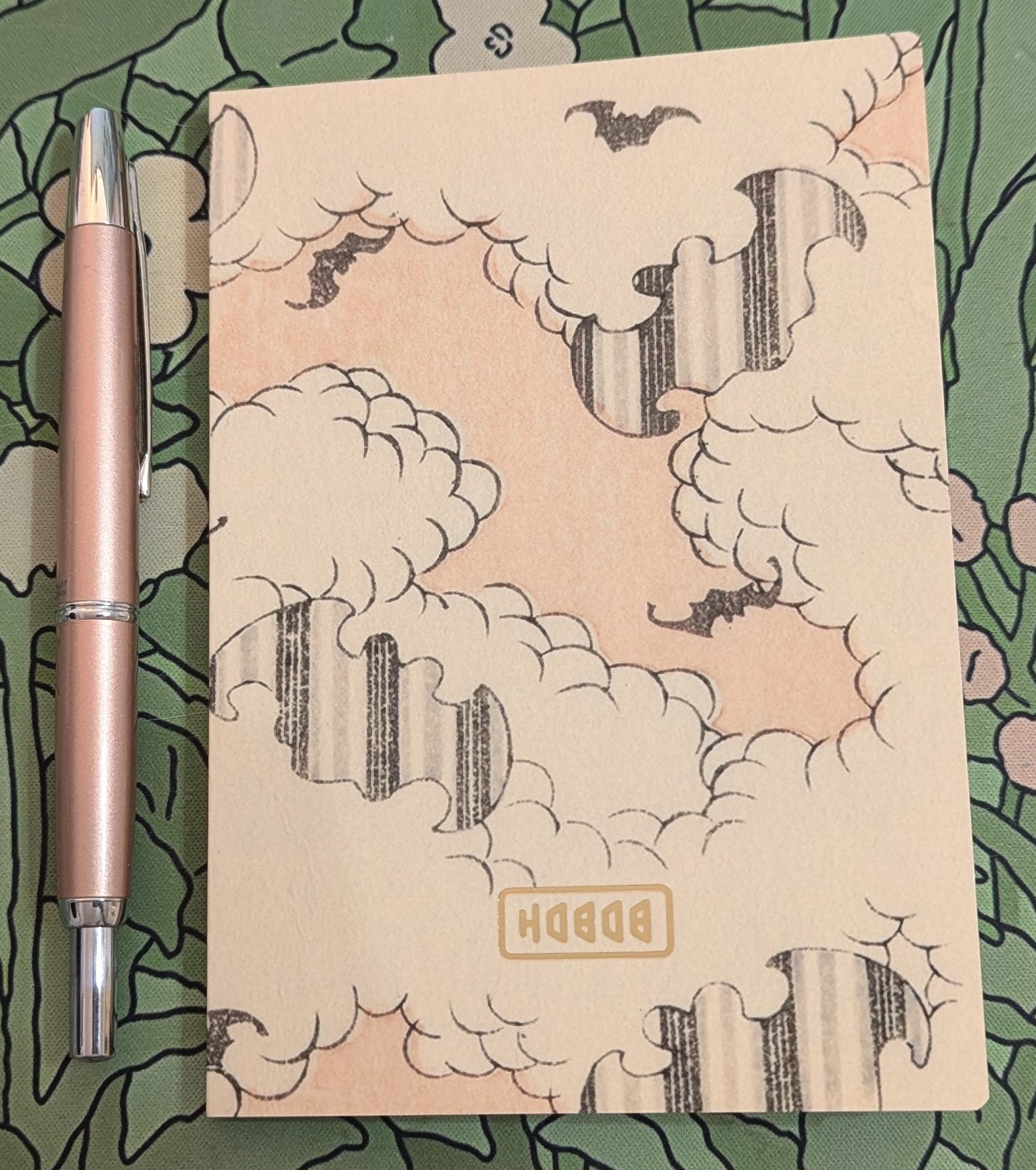
Equip: Gather your data. What are you equipped to do, and where do you need support to delve deeper?
Many leaders come into coaching feeling overwhelmed or facing imposter syndrome. Their equipping journey begins with the EQ-i 2.0 assessment. This assessment shows a snapshot of your emotional intelligence. Unlike IQ which is unchanging over the course of your life, your EQ can be grown. But like a plant, you need to provide water, good soil, and sunlight.
Emotional intelligence starts with self-awareness. As a manager and as a coach, noticing how my emotions shape the way I interact with people is an ongoing practice. I can’t change what I don’t notice.
So, I started a new habit based on Ryder Carroll’s method: recording a one-line Event and a one-line Feeling in a small notebook. The goal is to make emotional awareness second nature, not write a full journal entry or novel.
Here are the symbols that I use in my notebook:
◯ event
= Feeling or mood
- thought or note to remember
⏺ actions
+ something positive
🟋 gratitude
Reflect: Looking for Patterns. Now that I have some data, I can move to the second step in the ERA Framework - Reflect.
This is where the work put into practicing starts to bear fruit. When you are constantly busy or distracted, you rarely stop to look at how you are managing activities and emotions. When I look back on the day, the week or the month (and I try to do all three), I ask myself:
What patterns are showing up? You might notice that you come out of 1:1 meetings feeling inadequate or overwhelmed. Or you might notice that team meetings leave you feeling energized and confident.
When was I showing up as my full self? What interactions or events made you feel most like yourself, where you were leading from a healthy space?
When was I holding part of myself back? What interactions or events made you feel least energized, like you were just going through the motions?
Act: Charting the Course. Data without action is just trivia. After reflecting on the data, I can chart a course of action.
Based on what you saw in your notebook, pick one small thing to take action on.
What do I want to do differently next week? For example, I will take 1 minute before zoom calls to practice deep breathing so that the emotions of the last call don’t impact this one.
What could get in the way of making that change?
What can I do today to make it more likely that I will make that change?
What will it look like when I succeed in making this change?
Start Small - if you are feeling overwhelmed right now, the idea of adding journaling to your to-do list might sound terrible. I get it. But this method takes about 30 seconds at a time. It’s not about perfection; it’s about pausing just long enough to see yourself clearly.
I’d love to hear from you: How do you currently practice emotional self-awareness in the middle of a busy workday? Do you have a method for “checking in” with yourself, or does the day just run you over? Let me know in the comments; I’d love to hear what works for you.