

Last week, we talked about three ways that leaders handle problems.
The Band-Aid covers up the wound and hopes no one will notice.
The Pain Pill swoops in to solve the crisis.
The Vitamin Leader plans ahead to prevent problems or to enable themselves to respond with flexibility.
We talked about how easy it is to get addicted to being the “Pain Pill” leader. It feels good to save the day! But today, I want to show you exactly what this looks like on a global scale.
We’re going to look at two polar explorers who faced the exact same freezing conditions but led in two very different ways. One is a household name; the other is largely forgotten.
Martin Gutmann has an excellent TEDxBerlin talk called “Why do we celebrate incompetent leaders?” It’s worth a watch. In it, he draws a comparison between two polar explorers, Ernest Shackleton and Roald Amundsen. After watching his talk, I did some research on each of the explorers, especially Amundsen who I had not heard of before.
The Vitamin Leader: Roald Amundsen
Amundsen was the first explorer to reach the South Pole, the North Pole, and the first to navigate the Northwest Passage (the passage in the Arctic Ocean connecting the Atlantic and Pacific). During his Northwest Passage expedition, Amundsen and his crew spent two winters on king William Island, part of the Arcitic Archipelago in northern Canada. His time there was not wasted. He spent both winters learning arctic survival techniques from the Netsilik Inuit. He and his crew learne to use sled dogs and how to dress for the freezing, wet climate (using animal skins instead of wool). These skills proved vital to his successful exploration of the South Pole.1
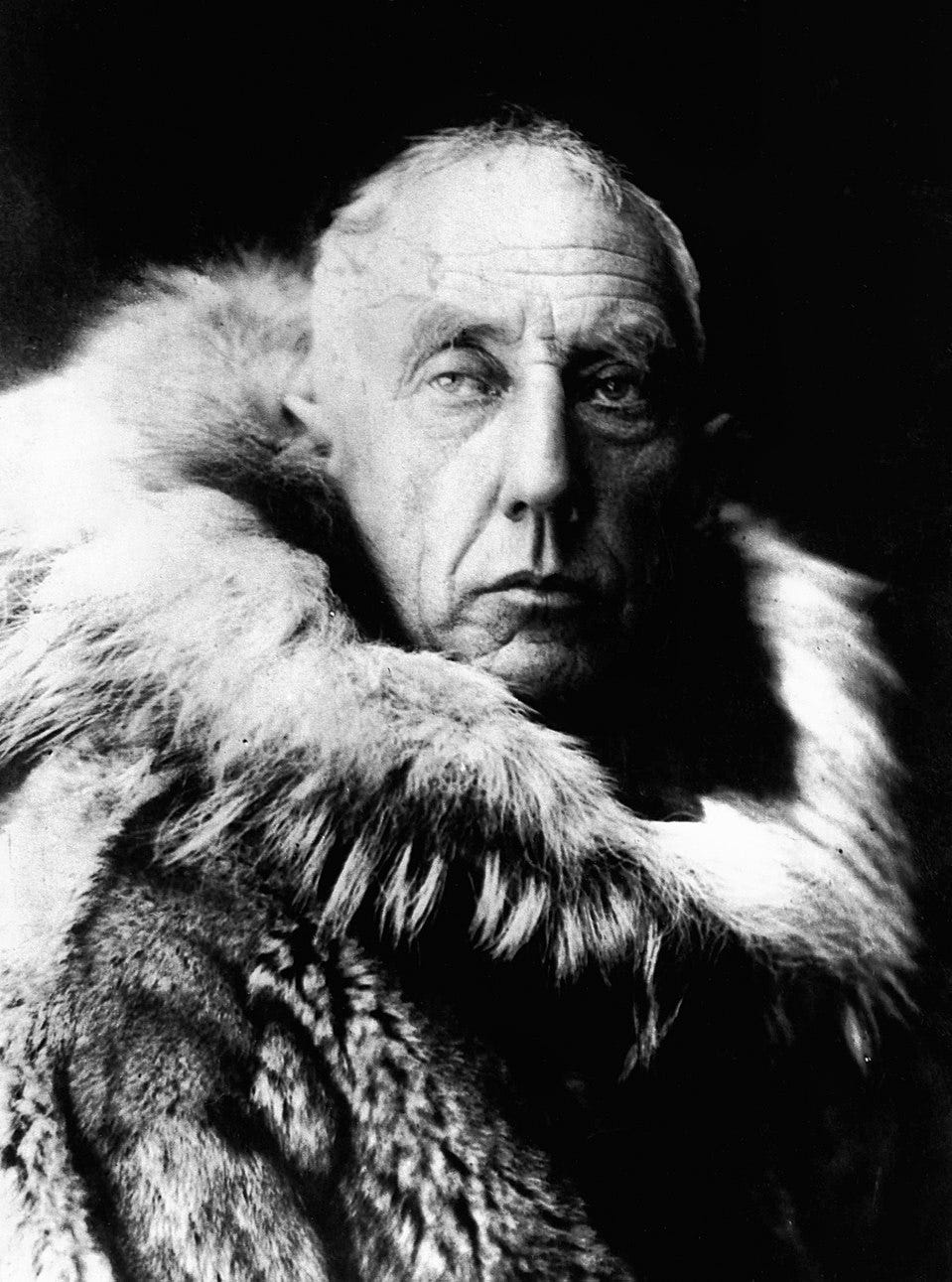
Amundsen was a vitamin leader because he didn’t wait for an emergency to figure out how to survive. He looked ahead, learned from the people closest to the ground, the Netsilik Inuit, (today, we would call them subject matter experts), and put systems in place to prepare for the unknown. Because of his intense preparation, his expeditions were marked by speed and efficiency.
The Pain Pill Leader: Ernest Shackleton
I certainly don’t want to disparage Shackleton. He is widely celebrated as a role model for leadership in extreme circumstances, for good reason. When his ship was trapped and crushed by ice, he managed to lead his men to safety against impossible odds. He is the ultimate Pain Pill. When things go terribly wrong, he is exactly who you want in charge.
One of Shackleton contemporaries, Sir Raymond Priestley, summed it up perfectly: “Scott for scientific method, Amundsen for speed and efficiency, but when disaster strikes and all hope is gone, get down on your knees and pray for Shackleton.”
But being a Pain Pill leader only works if there is pain.
Shackleton’s life was restless and unfulfilled. These are great traits for an explorer, but in the absence of an expedition and without a crisis to solve, he launched business ventures that failed and ultimately died heavily in debt.2
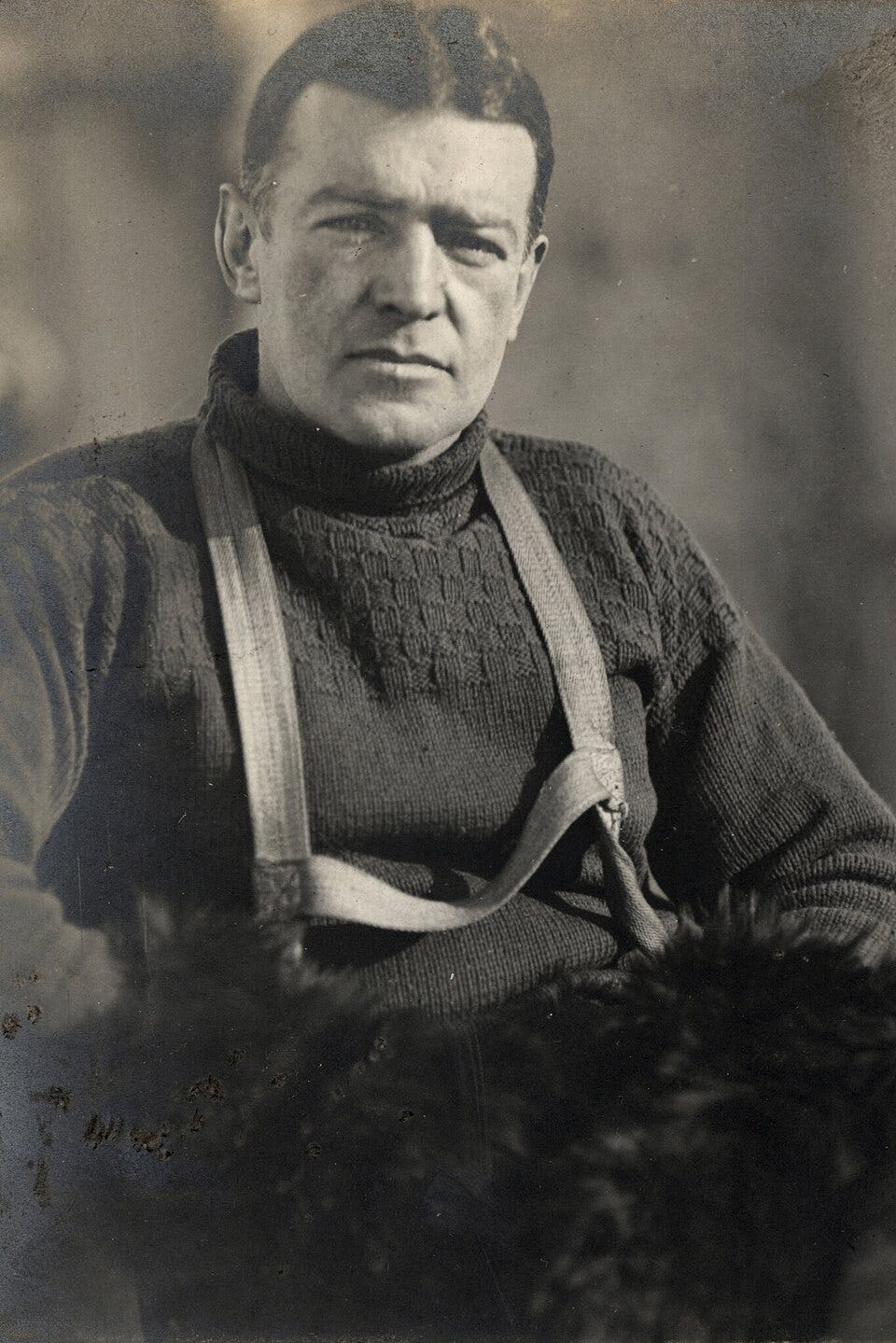
When we rely on “Pain Pill Mode” at work, we can easily fall into this same trap. We become really good at putting out fires and being the hero in extreme circumstances. But without a disaster, we feel restless, unfulfilled, or unsure of our value. We might even accidentally let small problems become big fires just so we have a crisis to manage.
A Time for Each Leader
After reading about Amundsen, you might think the goal is to never be a Pain Pill, but that’s not real life. You can’t be just one of these types of leaders. You have to be able to be all three, depending on the situation. If you cut off an arm, I’m not going to hand you a Vitamin C tablet. You need a tourniquet, a very strong pain pill, and a trip to the ER.
There are always true emergencies in the non-profit world. Funding falls through at the last minute, a key team member leaves unexpectedly, you can’t get a visa to get into the country where your project is taking place. In those moments, you have to be the pain pill by calling on your inner Shackleton and moving through the crisis.
The problem isn’t that we visit “Pain Pill Mode.” The problem is that we live there. We treat every planning meeting like a survival situation. The goal isn’t to eliminate the Bandaid or Pain Pill Leader. The goal is to make sure that you aren’t camped out there. When we camp out in one of these positions, we’re often leading from exhaustion, driven by our inner Judge who tells us we either have to hide our flaws or play the hero to be valuable. By taking steps to shift into Vitamin mode, we can start to lead from a grounded, emotionally healthy place. We can equip our teams to build resiliency, so that when a real crisis happens, you actually have the energy to handle it.
Reflect & Act on It
Amundsen didn’t become a Vitamin leader overnight; he spent years preparing. That sounds daunting. What’s the first small step you can take today?
Look at your calendar or to-do list for the coming week.
Where are you currently functioning as a Band-aid or a Pain Pill? Are you doing it out of true necessity, or is it just a comfortable default habit?
Pick one area where you are constantly putting out fires, and ask yourself: What is one vitamin I can take today to make this easier next week/month?
Maybe it’s scheduling a 15-minute buffer between meetings so you can breathe. Maybe it’s letting a team member solve a problem on their own instead of jumping in to rescue them. Or maybe it’s finally having that uncomfortable conversation you’ve been putting off.
A bigger step to consider and move toward: Pick a chronic frustration on your team. Do not try to fix it today. Instead, schedule one hour on your calendar next week titled “Vitamin Time.” Use that hour to think about a system, a checklist, or a conversation that could prevent that frustration from happening next month. Be boring. Be prepared. Become a Vitamin.
https://en.wikipedia.org/wiki/Roald_Amundsen
https://en.wikipedia.org/wiki/Ernest_Shackleton